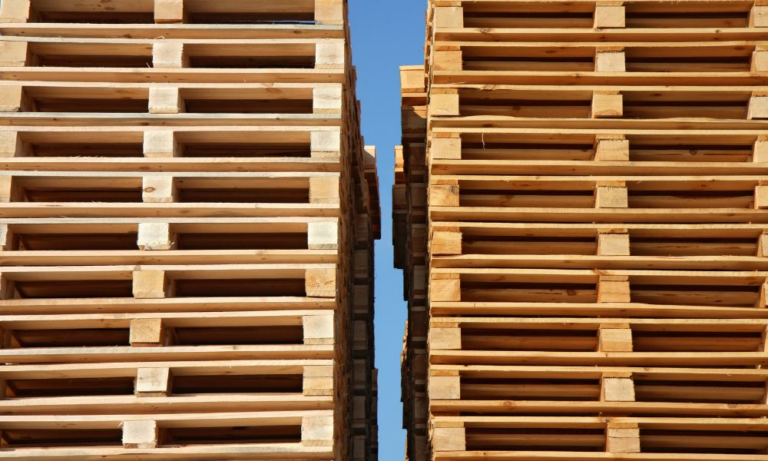
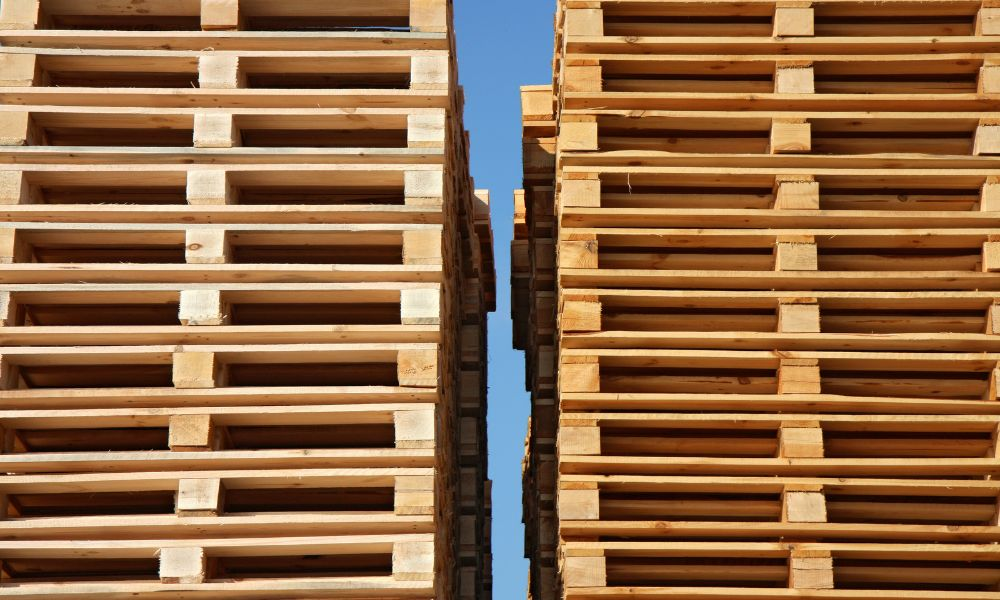
Many businesses depend on pallets every day for storage, transport, and handling of goods. Pallets may look simple, but they play a very important role in keeping products safe and operations running smoothly. Old or damaged pallets can cause many hidden problems, such as product loss, safety risks, and higher costs over time.
Because of this, investing in new pallets is a smart decision for businesses of all sizes. New pallets offer better strength, cleanliness, and reliability, which directly supports better performance and long-term savings.
Improved Safety for Workers and Goods
New pallets greatly improve safety in the workplace and during transportation. They come with strong materials, smooth surfaces, and solid construction that reduce the risk of breaking or collapsing under heavy loads. This strength protects goods from damage and helps workers handle pallets with less risk of injury.
Old pallets often have loose nails, cracks, or weak boards that can cause accidents. By using new pallets, businesses create a safer working environment and protect valuable products at the same time.
Better Load Performance and Strength
New pallets provide consistent load performance because manufacturers design them to meet specific weight and size standards. This consistency allows businesses to stack, lift, and move goods with confidence. Strong pallets support heavier loads without bending or snapping, which improves efficiency in warehouses and transport vehicles.
When pallets perform well, forklifts and pallet jacks also work more smoothly. This reliable strength helps companies avoid delays and costly product damage during shipping and storage.
Cleaner and More Hygienic Operations
Cleanliness matters in many industries, especially food, medicine, and retail. New pallets offer a high level of hygiene because they have no contamination from previous use. They do not carry mold, chemicals, or pests that often appear on old pallets.
Clean pallets protect products and help businesses meet safety and health standards. This cleanliness also improves the company’s image and builds trust with customers who expect high-quality handling of goods.
Lower Long-Term Costs
Although new pallets may cost more at the beginning, they help businesses save money over time. New pallets last longer and require fewer repairs compared to old or reused pallets. They reduce losses caused by damaged goods and prevent delays from pallet failure.
Businesses also spend less on labor because workers handle reliable pallets more easily. Over time, these savings add up and make new pallets a cost-effective investment rather than an extra expense.
Support for Efficient Logistics and Storage
New pallets improve overall efficiency in logistics and storage systems. Their uniform size and quality allow better use of warehouse space and smoother movement through supply chains. Transport vehicles load faster, and storage areas stay more organized.
This efficiency helps businesses meet delivery deadlines and manage inventory with greater accuracy. When pallets perform consistently, operations flow better from the warehouse to the final customer.
Conclusion
Investing in new pallets brings clear benefits that support safety, efficiency, cleanliness, and long-term savings. Strong and reliable pallets protect workers and goods while improving daily operations. Clean pallets help meet hygiene standards and maintain a professional image.
Over time, the reduced repair costs and improved performance make new pallets a smart business decision. For companies that want dependable operations and steady growth, new pallets provide a strong foundation for success.